
VIENNA:Negotiations to form Austria’s first far-right-led government ended unsuccessfully on Wednesday, as the Freedom Party (FPO) withdrew from coalition discussions with the conservative People’s Party (OeVP) over disputes regarding key ministerial positions and policy issues, particularly on migration.
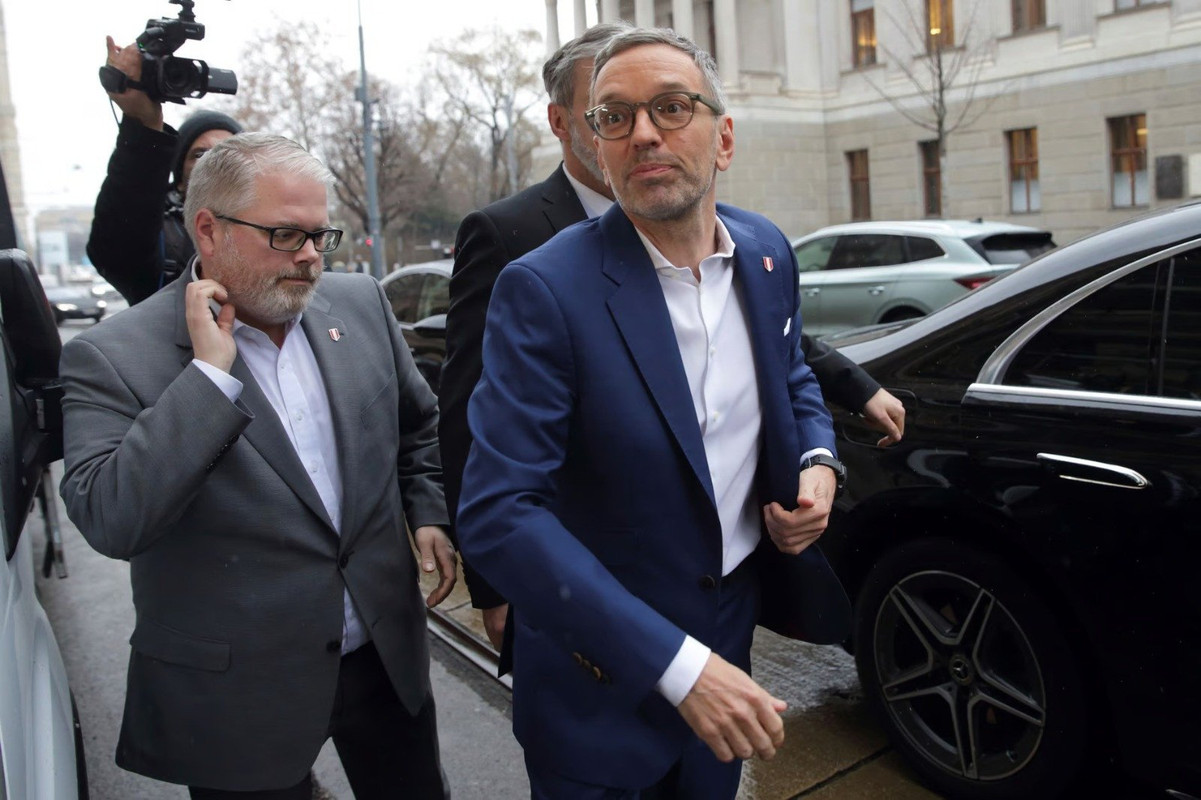
For the first time in history, the FPO secured the highest number of votes in the September elections and had been engaged in coalition talks with the OeVP since early January. However, tensions between the two parties intensified last week, with FPO leader Herbert Kickl demanding control over both the interior and finance ministries—requests that the OeVP firmly rejected.
Kickl announced the breakdown of the talks in a press briefing, stating that despite significant efforts, no agreement could be reached. He also voiced his support for early elections. Meanwhile, the OeVP blamed the failure on what it described as Kickl’s excessive demands and unwillingness to compromise.
Had the coalition succeeded, it would have been the first time a far-right party led Austria’s government, though the FPO had previously held positions in past coalition governments. With the collapse of negotiations, political analysts suggest that snap elections are now a strong possibility, given the FPO’s continued lead in public opinion polls.
Austria’s President Alexander Van der Bellen announced plans to consult with political parties in the coming days to explore possible paths forward.
Earlier in the day, the OeVP proposed separating asylum and migration matters from the interior ministry, assigning them to a newly created ministry. However, the FPO dismissed this idea, arguing that it presented multiple constitutional challenges and was unlikely to succeed.
Over the weekend, leaks revealed that the two parties remained divided on several key issues, including European Union policy and asylum regulations. A confidential document reported in the media indicated that the OeVP sought clarity on the FPO’s stance on Russia, insisting that any future government should officially recognize Moscow as a security threat. The FPO has previously criticized EU sanctions against Russia over its invasion of Ukraine.
Kickl, known for his combative rhetoric, has sparked controversy for his remarks about political opponents, including calling President Van der Bellen a “senile mummy.” He has also referred to himself as the “Volkskanzler” (People’s Chancellor), a term historically associated with Adolf Hitler in the 1930s—though Kickl denies any Nazi connotations.
Political analyst Thomas Hofer noted that the FPO, under Kickl’s leadership since 2021, appeared unwilling to compromise and took a hardline stance in negotiations, particularly in its demands posted publicly on social media.